



Choosing Welding Rotators: Conventional or Self-Aligning?
Welding rotators for pipes, tanks and cylindrical parts: the differences between conventional, self-aligning and fit-up rotators.
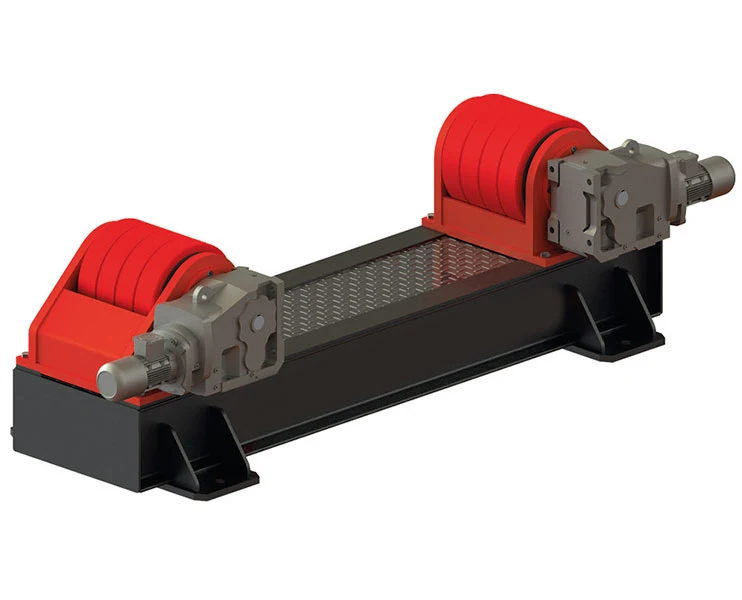
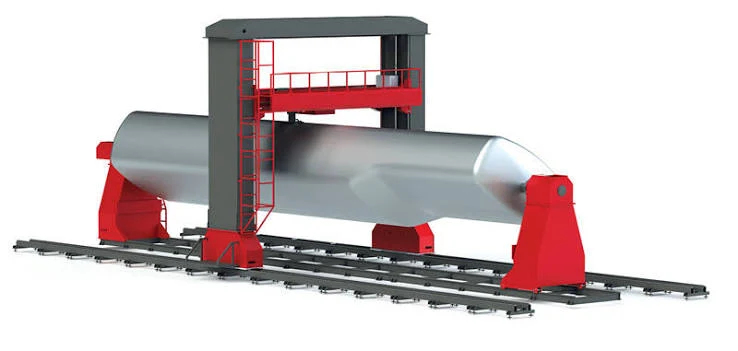
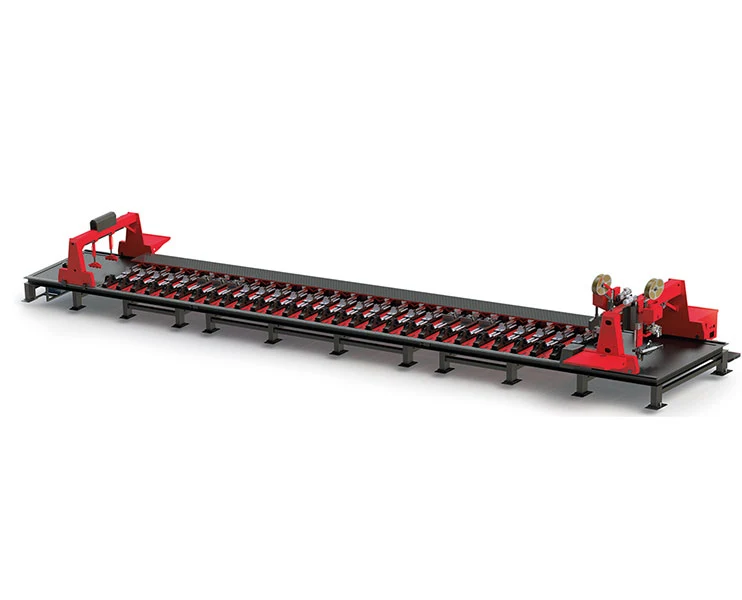
Welding rotators turn cylindrical workpieces such as pipes, tanks and pressure vessels on their own axis during welding, so circumferential seams are laid continuously with the torch in a fixed position.
Conventional rotator
Suited to production where diameters change little. It consists of one powered and one idler rotator set; the wheel centre distance is adjusted to the workpiece.
Self-aligning rotator
Automatically grips parts of different diameters, eliminating set-up time in production with frequent diameter changes.
Fit-up rotator
Designed for joining modules of the same diameter end to end. The fixed rotator set equalises part heights, speeding up assembly and saving man-hours.
Wheel choice
Rubber-coated cast wheels absorb vibration during rotation and impacts during loading. For high heat and heavy loads, steel or specially coated wheels are preferred.
Which rotator suits you?
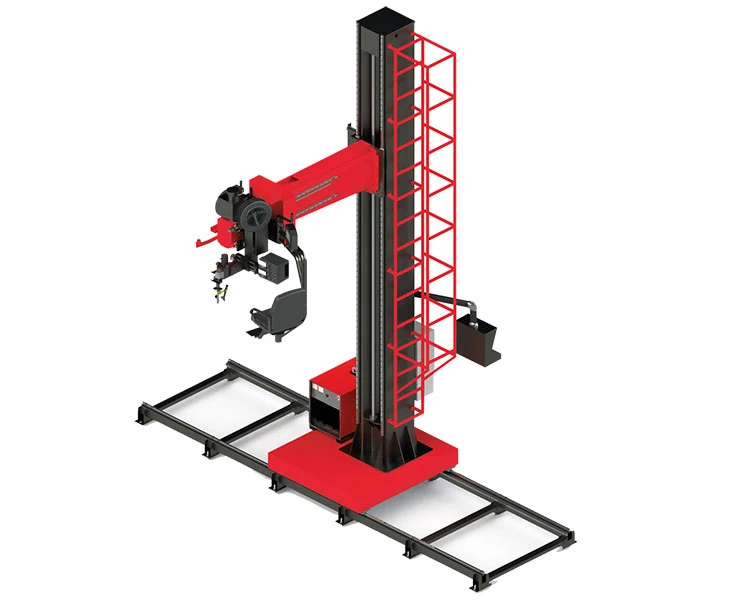
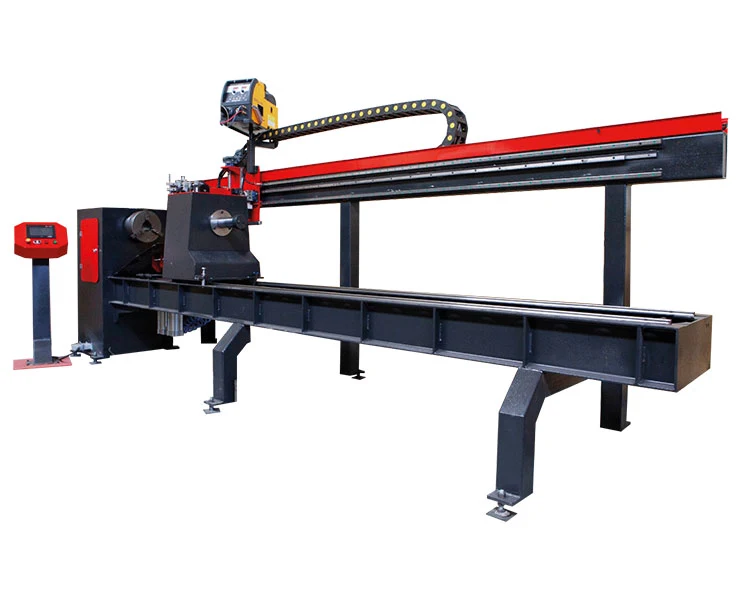
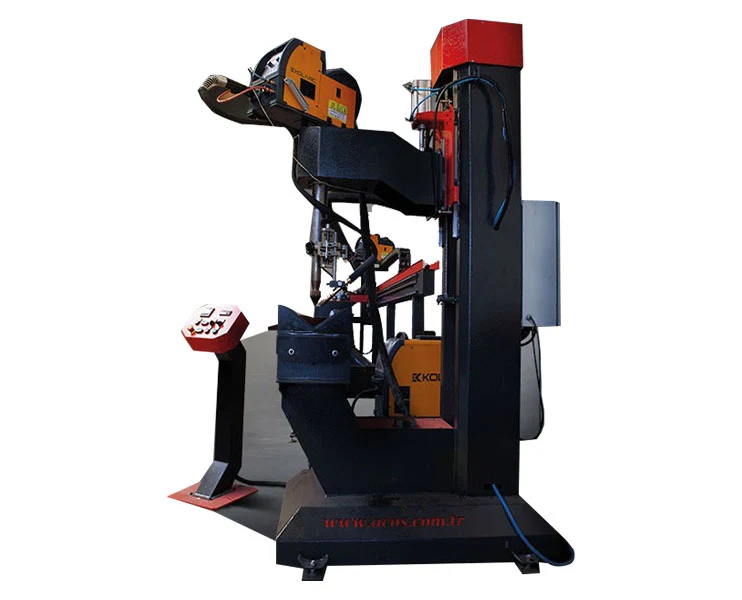
Consider your diameter range, tonnage and production volume. Combined with a column & boom, rotators make circumferential welding fully automatic.