



What Is a Welding Positioner and How Do You Choose One?
What a welding positioner is, the main types, and how to choose the right one for your workpiece: load capacity, number of axes and table size.
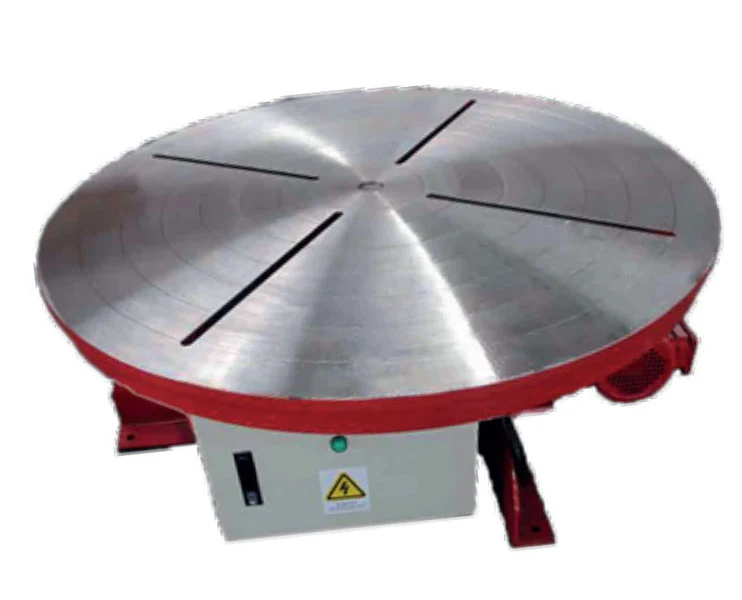
A welding positioner rotates and tilts the workpiece to the best angle for welding. With the part held at the right angle, seams are completed in the flat position, with fewer re-clampings and higher quality.
Types of positioner
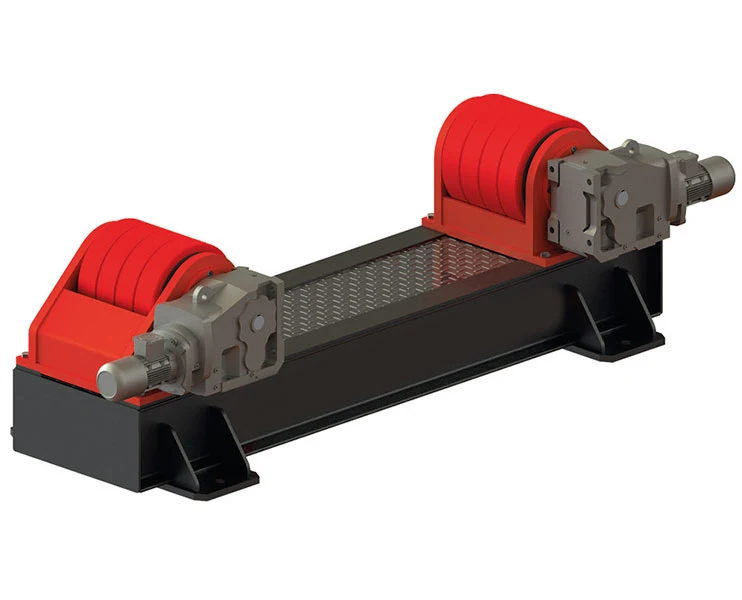
- Table type positioner: Horizontal rotation on a single axis; standard designs from 500 kg to 50 tonnes.
- Conventional type positioner: Two-axis operation with table rotation and tilting.
- Hydraulic positioner: Hydraulic height adjustment on top of rotation and tilting.
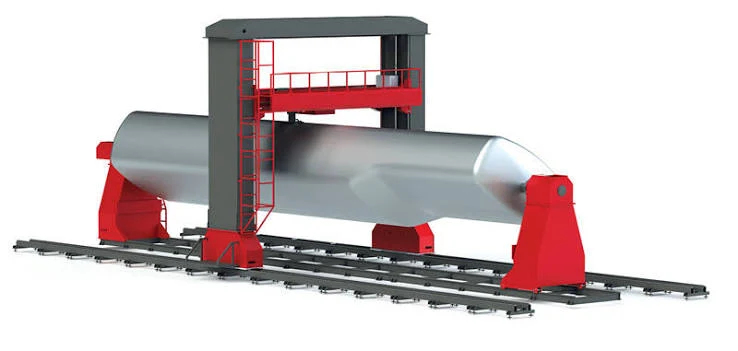
- L type and head type positioners: For long, bulky parts, with two opposed bodies where needed.
What to look for when choosing
- Workpiece weight and centre of gravity: Capacity depends not only on weight but on how far the centre of gravity sits from the table.
- Part dimensions: Work out the table diameter and the height needed so the part does not hit the floor when tilted.
- Number of axes: Decide whether you need single-axis rotation or rotation, tilt and height adjustment.
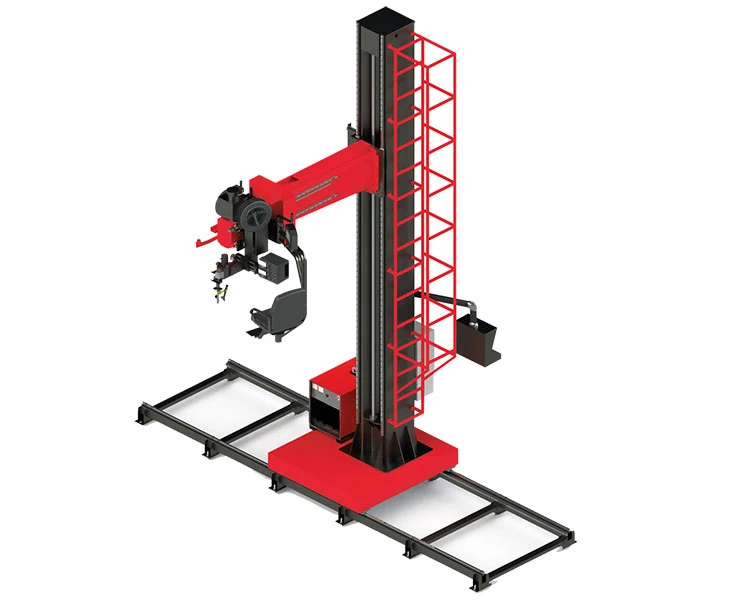
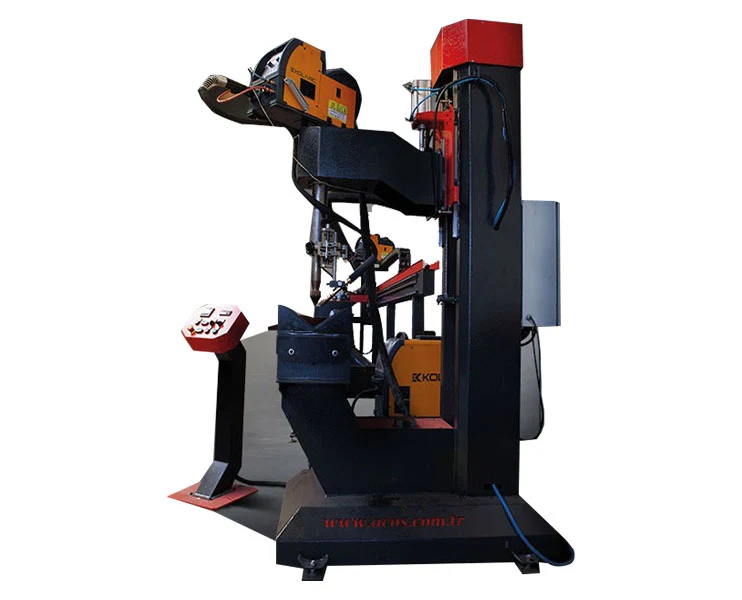
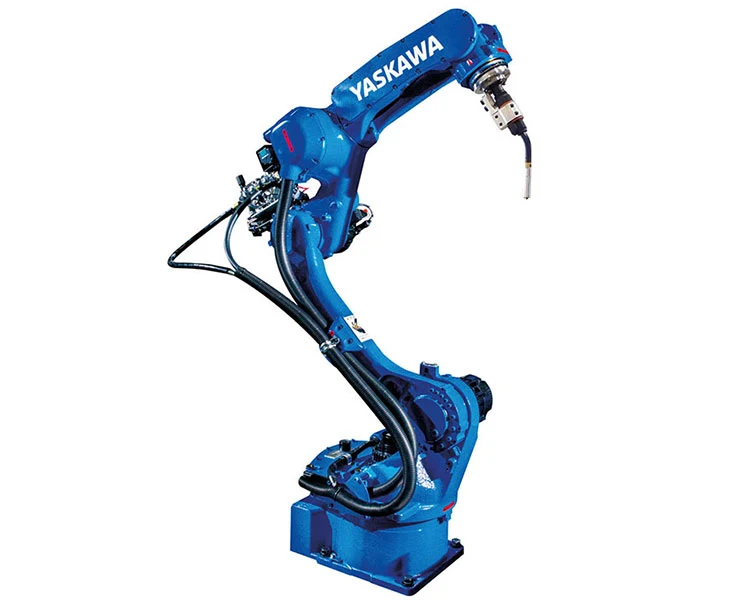
- Automation: If the positioner will work with a column & boom or a welding robot, input/output integration matters.
Conclusion
The right positioner shortens welding time and makes the operator's job easier. At Acos Makina we build positioners in standard sizes or custom-made for your workpiece. Send us your project details and we will choose the right model together.